

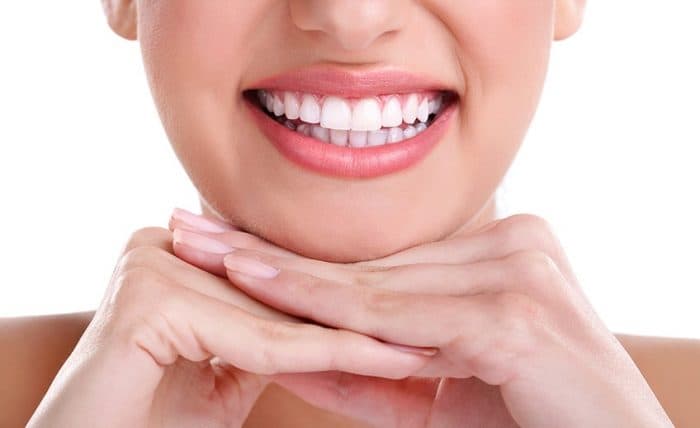
Whiter teeth are one of the most common cosmetic requests we hear. But not every product or home remedy is safe, and some do more harm than good.
What doesn't work (or isn't safe)
- Lemon juice, baking soda scrubs and charcoal powders: abrasive or acidic, they can wear away enamel
- "Whitening" toothpastes: they remove surface stains but don't change the natural shade
- Unregulated gels bought online: strength and ingredients are often unknown
What does work
Professional whitening uses a controlled-strength gel applied by a dentist, with your gums protected. Before whitening, we check that your teeth and gums are healthy, because whitening over decay or gum disease causes pain.
Keeping your result
- Limit tea, coffee, cola, turmeric-heavy food and tobacco
- Rinse with water after staining foods
- Keep up six-monthly cleanings
- Simple touch-ups when needed
Temporary sensitivity for a day or two is normal and settles on its own. If whitening isn't right for your teeth, bonding or veneers may be better options, and we'll explain them honestly.
Related treatment
Teeth whitening
This article is general information and not a substitute for an examination.